Runner rugs in a hallway: size, grip and washability

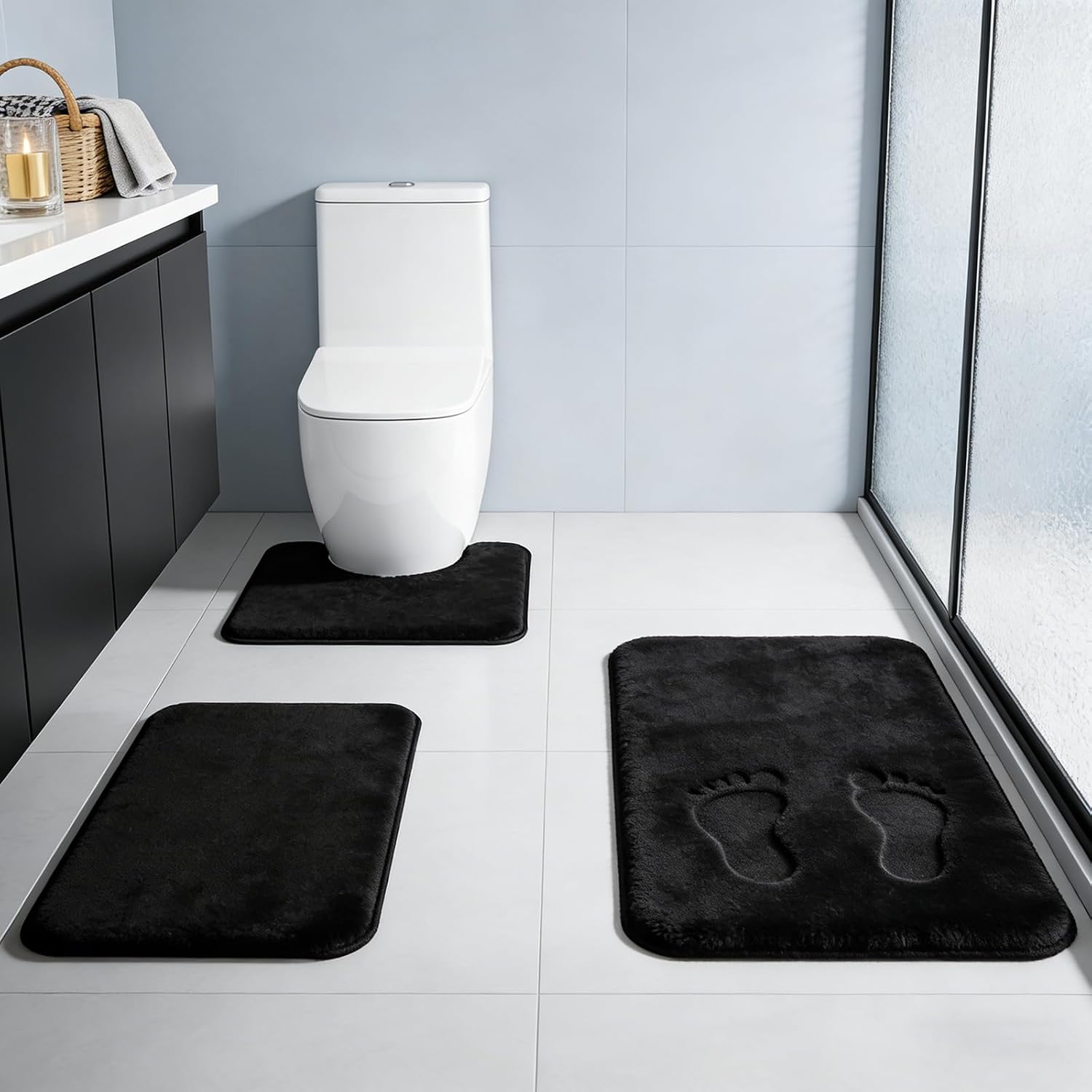
A runner has a harder job than almost any other rug: constant traffic, shoes, wet weather and a narrow shape that shows every wrinkle. Choosing one that survives that means thinking about size, grip and cleaning before pattern, which is the reverse of how most people shop for rugs.
Leave floor visible on both sides
A runner that reaches the skirting looks cramped and shows every deviation from parallel. Leaving a consistent margin of floor on each side reads as deliberate and makes a narrow hall look wider.
Around four to six inches on each side is a reasonable target where the hall allows it. In a very narrow hall, a smaller margin is fine as long as it is even.
Length: past the doorways, not up to them
A runner that stops just short of a doorway draws attention to the gap. Running past the opening, or stopping well before it, both look more considered than stopping level with the frame.
Where a hall has several doors, aligning the ends with something — the end of a wall, a threshold — is more successful than centring by eye.
Rucking is what a hallway does to a rug
Foot traffic pushes a rug along in the direction people walk, and a narrow rug has little to resist that. Left alone it forms a ridge, which is both untidy and the most common trip hazard in a home.
A non-slip backing or a separate grip underlay is not optional in a hall. It is the difference between a rug that stays put and one you straighten daily.
Check that it can actually be washed
Halls take mud, grit and rain. A runner that cannot go in a machine has to be professionally cleaned or replaced, and in practice usually gets replaced.
Washable runners have become far more common, and in a hallway that feature is worth more than almost any other. Check the stated width against your machine drum before buying.
Low pile handles traffic and grit better
A high, soft pile crushes under traffic and traps grit down at the base where it abrades the fibres from underneath. Low, dense pile stays looking even and releases grit when vacuumed.
It is also easier to open doors over, which is a mundane but frequent irritation with thick rugs in halls.
Pattern hides what a plain colour shows
A busy or mottled pattern disguises the everyday marks a hall inevitably collects. A plain pale runner in a hall will look tired long before it is actually worn.
That is not an argument against pale colours generally — only against them in the one place in the house where every shoe lands.
Runners we carry
The runners on this shelf state their dimensions and whether they are washable and non-slip, which are the three things that determine whether one works in a hall. On our own shelf that range currently runs from $18.99 for the Yimobra Khaki Chenille Bath Mat, 24×17 – Non-Slip, Absorbent, Machine Washable up to $24.99 for the Restydon 2×8 Runner Rug, Washable Non-Slip Hallway Carpet, Beige/Ivory.
All of these come from Rugs, currently 3 products deep. These are checkout prices; no handling fee gets bolted on afterwards.
- Yimobra Khaki Chenille Bath Mat, 24×17 – Non-Slip, Absorbent, Machine Washable — $18.99
- RUN HELIX Black Memory Foam Bath Rug Set – 3 Piece (20"x32", 16"x24", 20"x20" U-Shape) — $19.99
- Restydon 2×8 Runner Rug, Washable Non-Slip Hallway Carpet, Beige/Ivory — $24.99
Related reading
Two other pieces on this site cover ground next to this one. Marble is porous and mildly reactive. Both facts are manageable once you know which is which. And on a related note, a bath mat that never fully dries is the source of most bathroom smell complaints, and it is a material choice.
- Why marble trays stain, and how to keep one looking new
- Choosing a bath mat that dries out instead of staying damp
Mistakes when buying for a hall
Buying by eye rather than by measurement is the usual one, and it produces a runner slightly too wide, which then curls against the skirting and never lies flat. A tape measure before ordering avoids it entirely.
The other is choosing a thick pile because it feels more luxurious in the shop. In a hall a thick pile catches under doors, crushes into permanent tracks along the walking line, and traps grit at the base of the fibres.
Keeping a hall runner looking acceptable
Vacuuming along the pile rather than across it lifts grit out instead of driving it further in. Grit is what actually wears a rug, by abrading fibres from below every time somebody walks on it.
Rotating the runner end for end every few months evens out the wear, because the section nearest the door always takes the most traffic. Both habits cost nothing and noticeably extend how long a runner looks new.
The order to decide in
Measure the space and fix the size first, then require non-slip and washable, then choose the pattern from what is left. Doing it in that order rather than starting with the pattern is why some runners last for years and others are replaced within one.
Everything ships from Los Angeles, CA: $6.95 standard, nothing above $75, and a 30-day window for unused returns. Questions to [email protected].